Tuesday, August 10, 2010

Volunteers are Rockin’ the Colorado Plateau

“The pitcher cries for water to carry
and a person for work that is real.”
Marge Piercy

This summer hundreds of GCT volunteers are burning hundreds of thousands of calories to protect and restore the Colorado Plateau. Every single day in the field our volunteers give their time to work long hours doing extremely physical work and make it so much fun! The Volunteer Program staff is constantly fulfilled and uplifted by the spirit volunteers bring to both work and camp life.


Volunteer projects on the Kane and Two Mile ranches ranged from monitoring invasive cheatgrass to building a dozen long term exclosures to study the potential impacts of both bison and cattle on the ecosystems of the Kaibab Plateau. These science-based projects will provide land managers with the tools for management practices in the future. In Utah volunteers are covering lots of ground on the Aquarius Plateau, to assess the upper reaches of the famed Escalante Watershed to assess potential habitat that would support the reintroduction of beavers. Several groups of youth from area reservations and as far away as the East Coast are keeping the legacy of traditional agriculture alive at North Leupp Family Farms on the Navajo Reservation. These young volunteers helped plant over 4 acres of desert-adapted heirloom seeds.


Together we are building a community of smart and committed land stewards dedicated to the future of the Colorado Plateau. This sentiment is best reflected by a comment from a recent volunteer: “My experience with Lauren and Joshua and others on the trip has rekindled my hope that there are too many of us kindred spirits to allow the short-sightedness of man to destroy the world we so love.”

There are many upcoming opportunities with Colorado Plateau springs as a spring steward volunteer. Check out our trip schedule to get in on the action!

Friday, August 6, 2010

A Grand Summer Conservation Experience to Remember:

A hands-on approach to learning while providing services for the greater good of communities.
Lauren Berutich

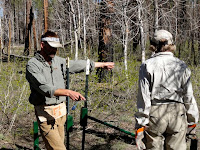
Somebody pinch me! I must be dreaming. Learning hands-on while actually doing work and getting your hands dirty? Communal living, shared responsibilities, open dialogue about environmental issues and concerns, local food systems, inquisitive students, stand up instructors, all taking place on the beautiful and vast landscapes of the Kaibab Plateau? As I squint back into reality, I realize this is not a dream at all, this is my life as a volunteer coordinator for the Grand Canyon Trust. These bright young minds are indeed right in front of me with large, motorized tools; all displaying smiles, and even bigger hearts as they plow through the fence building process on a sunny July day.


The Dorrance Scholars, as they are referred to throughout our three Arizona state universities, have proven themselves through their rigorous academic achievements, their strong ethic for community involvement, assisted by their down-to-earth, bubbly, and strong-willed personalities. These students are all first-generation college students in their families and seem to be taking this world by storm. They joined us with enthusiasm, curiosity, and a strong motivation to make a difference. The Grand Canyon Trust partnered with Angela Gatto and Dustin Burger from the US Forest Service (USFS) on a fencing project near the North Rim.

There are seventeen natural lakes on the greater North Kaibab landscape negatively impacted by large game and cattle that cause erosion and oxygen depletion in the water. This, in turn, has harmful effects on native plants and wildlife that also try to survive in this unique, riparian ecosystem. The Trust has partnered with USFS over the past few years to build exclosures to prevent further damage from grazing cattle, while allowing deer and other wildlife to continue to enjoy their natural resources.

East Lake was the last of the seventeen lakes in need of protection. The students worked hard to carry large logs and poles around the lake, and piece-by-piece a gorgeous fence was meticulously built. What a masterpiece. What a huge accomplishment.

In between hammering and hurling heavy loads of old, burnt wood into piles, the students engaged in complex discussions about science and conservation across the Colorado Plateau. They played games, read articles, and participated in observation journaling (what is “observation journaling”?) allowing the natural surroundings to silently guide them.

We are products of what we do. Our actions determine who we are and who we will become. Action makes movement and movement creates change. By immersing oneself in this environment and learning from the surrounding landscape, we are able to find solutions for all life across the Colorado Plateau. Thanks to each and every individual that donated their time, energy and spirit to these important conservation and restoration efforts. You do indeed make a difference.

Please stay tuned for updates on the second part of the trip involving Upward Bound and North Leupp Family Farm with co-lead Deon Ben. Cheers!

Monday, June 14, 2010

Just getting warmed up!


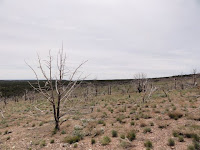
June 3-8, 2010: Warm Fire Cheatgrass Perimeter Monitoring Project...but wait, there's more. This project was partnered with another important volunteer project to complete the fencing exclosures for post fire grazing monitoring work. The volunteers smiled and with enthusiasm, headed out to the Kaibab for 6 days of varied project work and great experiences.

Thank you to everyone involved! Your contributions to our organization were instrumental to our continued success monitoring and restoring our treasured landscape. The solid data collected and rigorous science practiced through both the fencing project as well as the Cheatgrass information collected will significantly contribute to the active participation in the management and restoration of the Plateau.


Last year our volunteers donated over 14,000 hours of their time in the field and office. We are, once again, adding those hours up and celebrating the amazing work done thus far in just the five months of field time in 2010. Thank you for partnering with the Grand Canyon Trust. Your generosity of time and energy has already contributed to:
  • 10 fence exclosures built!


  • Over 50 Cheatgrass plots visited and transects walked!


  • Acres of weed pulling and seeds traditionally planted


  • Willow trees planted and Tamarisk removed from fragile riparian ecosystems

  • Many springs and seeps visited and monitored


  • Paria Plateau cleaned up


  • Beaver habitat assessed around 2 lakes and several miles of stream, including beaver dams


My favorite quote just recently arrived in my email box from a recent volunteer. During times when I see our ecosystems faltered and our resources scarce, I will pull out this gift, smile, and continue on with my work for this spectacular organization, knowing we are indeed making a difference everyday. Cheers!


"My experience with them and others on the trip has rekindled my hope that there are too many of us kindred spirits to allow the shortsightedness of man to destroy the world we so love." -G.C., 2010

Here's to a year of exploration, restoration, and conservation of our treasured Colorado Plateau.


Wednesday, June 2, 2010

Grand Canyon: Connecting Plants and People through Past to Present

Grand Canyon Trust Community Education Series
presents


Grand Canyon:

Connecting Plants and People from Past to Present


Wednesday, June 9, 2010

6-8 pm with refreshments at 5:30

Flagstaff Arboretum (3.8 miles down Woody Mt. Rd)


Join presenters, Wendy Hodgson, Research Botanist at the Desert Botanical Garden and Lori Makarick, Vegetation Program Manager for the Grand Canyon National Park as they take you on a botanical journey of a lifetime! They will provide an overview of Grand Canyon National Park's amazing plant diversity, hoping to unravel some of the many mysteries of the canyon's plant life.


Discover how early botanists continue to influence our current day research and knowledge. Explore some important on-going projects, including the Kolb Studio exhibit and botanical bonanza. Be aware- you may look at the canyon differently after hearing this talk!


Refreshments served at 5:30 in the lovely outside patio area of the Arboretum. Free and open to the public. For more information visit http://www.grandcanyontrust.org/ or call 928-774-7488.

Hope to see you there!

Monday, April 12, 2010

U of WI, Madison Alternative Spring Break 2010


by Deon Ben
Spring break 2010 has come and gone, but for many spring break lingers in sunburns, souvenirs, and thoughts for next year. Here in Arizona we don't have the ocean nor the beach but we do have the Colorado Plateau, and places in this region that sure can accommodate spring breakers.Remove Formatting from selection
For the University of Wisconsin, Madison, ten students traveled across the country in hopes of seeing the Grand Canyon, getting some serious tanning, and to experience the lifestyle of the southwest cultures. As expected, the ten students got what they wanted plus more. The students experienced the lifestyle of western ranchers while spending a couple of days on Kane Ranch. The ten amigos had a round of southwest altering weather as many of them worked in the spring sun and enjoyed the famous Arizona sunsets. As the spring winds hit Kane Ranch our group of ten withheld the 60mph wind gusts and worked alongside the tumbling invasive tumbleweeds. As the cold front hit the ranch the ten spring breakers hit the river, the canyons, and the cliffs.

With a week full of accomplishments in building a cedar fence, trail work, chopping wood, repairing tools, repairing fences, installing a gate, breaking ground on a new native plant garden, and the group enjoyed the landscape and all it had to offer. As the spring break week came to its close, the group of ten Bucky Badgers traditionally celebrated the grand finale by engaging in rounds of s'mores and charades along the Colorado River. So, I would say the ten travelers may not have arrived in Mexico, but Arizona sure gave them a spring break to remember; including the sunburns, shell/turquoise jewelry, stories and plans for returning to volunteer with the Trust next year!

Thursday, April 8, 2010

A Time to Celebrate our Public Lands

By: Lauren Berutich

Get Inspired to Act! These words were like songs to my ears as I read the description of the film, Earth Days: The Seeds of a Revolution. The film is a documentary by Robert Stone that chronicles the first decade of the environmental movement. Do the names Udall, Ehrlich and Carson ring a bell? No, they are not a law firm. They are the names of pioneers involved in the environmental movement throughout history. Learn more about them when you join us to celebrate stewardship on public lands next month!

What can you do to make a difference? Join us at the Orpheum Theatre on May 11th from 5:30-8:00 pm. There will be music by Flagstaff's local favorite, Karna Otten, lots of tasty foods to graze, and numerous partnerning organizations to meet with. Learn more about how you can volunteer to preserve the immense natural beauty and cultural heritage of the Colorado Plateau by visiting with groups such as the Grand Canyon Youth, Black Mesa Water Coalition, and many more.

Don't be late! It's going to be a packed evening. Doors open at 5:30 for food and networking. Film screening at 6:00. This event is FREE and open to the public. For more information on this event and our organization visit our website or call 928-774-7488. We look forward to seeing you there.

Monday, February 8, 2010

Grand Canyon Trust Community Education Series

The time is here again. The time to discuss important topics crucial to the sustainability of our landscapes, the protection and restoration of these vast beautiful places making up the Colorado Plateau. The Volunteer Program is hosting another year of wonderful, free and open to the public lectures and our first one is just around the corner. Hope to see you there!

Clean Energy Collaborations with Native Nations:
Grand Canyon Trust Native America Program Director Tony Skrelunas discusses Hopi and Navajo wind energy projects, Shonto Chapter's solar energy business plan, and the Navajo Nation Green Jobs Commission. Grand Canyon Trust Air & Energy Program Director Roger Clark reviews solar projects for off-grid homes and prospects for utility-scale renewable energy development to replace our region's dependence on coal.

When: Thursday, February 18 from 6-8pm
Refreshments served at 5:30

Where: Applied Research and Development (ARD) building on NAU Campus

For more information please visit www.grandcanyontrust.org or call 928-774-7488.

As always, our events are free and open to the public. Hope to see you there.

Tuesday, January 19, 2010

Making Conservation Real-Unforgettable Landscapes and People

By Kate Watters

The country that we work in is unparalleled in its ability to wrench hearts over and over with its sweeping dramatic beauty. We follow the Rio de Flag until it flows into the Little Colorado River at North Leupp Family Farm, where we camp beneath old cottonwood trees and the San Francisco Peaks rise out of an endless plain. Storm clouds hover around them, while the Hopis and Navajos dance and pray for them to grace their fields with rain.


We traverse the Painted Desert of the Navajo reservation, passing the rolling hills of Chinle Shale and the corn fields along the sandy wash along the Echo Cliffs. We continue north to across the Colorado River where we watch condors glide off the Navajo Bridge. Turning west we traverse the House Rock Valley, through the heart of the Kane Ranch where we watch the way that the sun blazes its way across the Vermillion Cliffs. The Paria Plateau rises above to the north as a sandy island heading straight to the Grand Staircase Escalante and drops sharply into the silty ribbon of the Paria River and joins the Colorado River at Lee’s Ferry.

We fall in love with the long, indigo blue slice of Kaibab Plateau, the mountain lying down, as the Paiute know it. It is our diving board into the Grand Canyon, where we traverse the equivalent of Baja, California to the top of the San Francisco Peaks in a hike from the North Rim to Phantom Ranch. Plants linger in hard-to-find places and springs offer refuge to wildlife and humans alike, and the glorious Colorado River cuts deep into the earth exposing the oldest rocks on the planet. On the west side of the Kaibab we are overpowered by the fragrance of cliffrose and daunted by a sea of invasive cheatgrass. Further west we encounter the fingers of the Kanab Creek watershed, named from the Paiute word for the willows that once flourished and today struggle to survive in a world dominated by invasive tamarisk trees.

The people we take with us are as diverse as the landscapes of the Plateau. Val is a veteran of the Vietnam War who lives between a piece of land in Chino Valley and out of his old truck in the forest and has gone on every trip for the last four years. Val has probably cut down more tamarisk trees in the Grand Canyon Watershed than anyone else. Levi is a 10-year-old boy from Phoenix found out about us by Googling “National Public Lands Day” and now he and his mother make mule deer habitat restoration trip an annual event. There are the newly retired folks who are ready to begin their next career in hydrology or botany, and recent transplants from the Midwest anxious to learn more about their new home. We take high school and college students from Chicago, West Virginia, Boston, Hopi, Apache and Navajoland on their first camping adventure.

Our job is to provide the opportunity for our volunteers to experience this landscape by rolling up their sleeves and becoming an active participant in the form of tangible, often physically challenging work. We taste the dust and sometimes wear the dirt for many days before washing. We feel the long days in the sun on our skin, our chapped lips, our bodies ache with new demands placed upon them. The energy it takes to get us there alone is sometimes the greatest adventure of all.

We share the stories that make this land come alive: the near extinction and reintroduction of the California condor; the rich human history and cultural legacies that continue to persist. We introduce people to their first buckwheat blooming in yellow extravagance and then feel their excitement when they are able to distinguish it from a snakeweed bush with the help of a hand lens that they proudly wear around their neck like a medal of honor. We discuss our philosophies of restoration in the shade of a pinyon tree.


We become connected to the dynamic places of the Colorado Plateau and to a larger community of people who have dedicated themselves to protecting it. JOIN US....
We hope to see you in the field in 2010!

Thursday, November 19, 2009

A Season to Give Thanks by Lauren Berutich

Our last trip of the 2009 field season and what a wonderful experience it was. I always get all warm and fuzzy around this time of year. The airs cool inviting a new season into our lives, the trees shed their old leaves and prepare for their winter slumbering, and people tend to slow down a bit recognizing their gratitude. We thank one another more frequently, embrace our neighbors and connections with our community, generously provide to those less fortunate. (I'm not going to lie to you, it is also a time of great food and NY Giants football!) On November 12, 11 members of Verde Valley School met me in Cameron to carpool to Kane Ranch for the next 5 days together. They were high school volunteers led by their teachers, Forrest and Bart, on their winter break established for exploring and service projects. We arrived at Kane, set up tents, and began getting to know one another.

What an amazing group of enthusiastic, hard working students. As we shared and learned from one another, I realized how lucky we all are to be here together, connecting and exploring the beautiful landscapes we hope to protect. Each individual on the trip taught me something new and as I attempted to do the same, a creative energy began to bloom and the week's gifts continued to move me.


We did great work, but it was not easy. The volunteers helped clean almost 30 pounds (5 burlap sacks worth) of collected Fourwing Saltbush so that the seeds will be ready for next season's planting. They built the boxes, created the tools, and diligently worked through dust and allergies until all the bags were treated and complete. It was amazing!

To clear our heads a bit, we returned into the field for a day and a half of seed collection. November is a great time to do so as the seeds are dry and ready to flow off of the plant and into our collection bags. We now have five more bags ready for our partners on this project, Arizona Game and Fish Department.


As I sat around the dinner table and learned how to speak the names of my vegetables in 4 different languages, I realized my job is one of the greatest jobs in the world. The gratification of my work is incredible, the meaningful on-the-ground trips we participate in truly make a difference in restoring these gorgeous Colorado Plateau landscapes. The curious eyes, the fantastic smiles on the volunteers, and the amazing questions asked as we explore the new ecosystem allows us all to connect a little deeper with the places we cherish and love so much. Hurray for our new land stewards!

Thanks, once again, for partnering with our organization and showing me the Kaibab Plateau for the first time all over again. Have a wonderful holiday. We sure are thankful for our volunteer community and each new experience encountered! Fore more information on our program and how to get involved please visit http://www.grandcanyontrust.org/ or call 928-774-7488. Don't forget to check out our photo gallery as well for more wonderful shots of the volunteer experience out at Kane.
Cheers,
Lauren

Tuesday, October 13, 2009

National Public Lands Day with the Grand Canyon Trust

According to the Environmental Education Foundation, 150,000 volunteers worked at over 2,000 locations and in every state and in many U.S. territories during this year's National Public Lands Day. The Grand Canyon Trust hosted 11 of these amazing volunteers on the west side fo the Kaibab Plateau for a Mule Deer Habitat Restoration Project. We spent a full day trimming Cliffrose and hand seeding pounds of natives back into the Earth. It was a gorgeous Saturday filled with great energy!


There was music and laughter and lots of wonderful Kaibab rap songs shared around a campfire. I must note the beginning of a new tradition, "Star Track, GCT Style!" Curious? Sign up on one of our exciting trips to find out how you can show off your special talents with a fun and charismatic group. Carrie King and Andi Rogers from Arizona Game and Fish led the way with great conversations and meaningful presence throughout the weekend showing how importnat parntering agencies are for effective management and good work.


Thanks again to all of you wonderful volunteers and land stewards. The weekend was a great success and we look forward to another fantastic celebration of our public lands next year and of course, everyday until then.

For more information on the Grand Canyon Trust, various ways to get involved, and any new events taking place, please visit our website. Also, to see more exciting photos from the weekend or any of our past trips as well, visit our flickr account today. We look forward to working with you agian!

Cheers!

Lauren and Kate


Thursday, September 24, 2009

Animoto.com


by Deon Ben

What better way to celebrate the fall season, than to join in on a volunteer trip to the Navajo Nation with over twenty-five other passengers. With three vehicles, including one over size twelve passenger van, we made our way to Leupp, Arizona in route to North Leupp Family Farm. Upon are arrival we were greeted by the farmer board and farmers who were eager to take us into the fields to begin harvesting traditional corn. Three corn fields later and an hour of a mysterious cat call we about filled one truck load of white & blue corn.

As the sun began setting behind the distance peaks we began taking part in the practices of making steam corn, a practice that has been performed across Navajo country for centuries. We found ourselves embracing Mother Earth as we filled an earthen pit with corn and covered it with dirt, ash, and a rejuvenating fire. Once the potato, green chili stew was ready more than over forty attendees indulged in traditional Navajo food, but the dinner was stolen away by the handmade frybread.

That evening we enjoyed the warmth of our campfire and the musical talents of our fellow campers. The night set calm but dawn brought the sounds of howling coyotes and a breath taking sunrise. Once we had our morning coffee we headed to the farm to take on the Harvest Festival activities.

That morning our volunteers assisted the farmers with a morning activity walk, others took out the corn that streamed all night, while others helped two Navajo grandmothers prepare kneel down bread. The entire day was filled with activities and speeches, about the progress of the farm and the appreciation of the volunteers, which then led us into lunch. The table of food was about the length of the ramada, but all in all each individual got to taste the beauty and love of Mother Earth.

Wednesday, September 2, 2009


American Hiking Society Volunteer Vacations
Grand Canyon National Park
Trip # 88


The title above is kind of a mouthful. It looks official and technical, like it could be mindlessly filed away so that someone in the accounting department could easily differentiate trip #88 from say, trip #32 or trip #105. The title seems like it would find a suitable home on a rubber stamp and kept in the same box with “void,” “sign here,” and “received.” But does that title, with all those words, even begin to tell us what might have happened on Volunteer Vacation # 88?

Terry Tempest Williams, a notable author on issues of the Southwest and social justice, recently urged the Grand Canyon Trust and the conservation community at large to deliver our message more effectively by telling our stories. Too often, she suggested, the work of volunteers, researchers, biologists, specialists, and collaborations ends up taking a back seat to jargon, acronyms, and easily cataloged trip titles like the one at the beginning of this article. Too often those convenient words and numbers fail to communicate what is really going on out there—people working hard to make a difference.

People traveled from all parts of the country to join trip #88. The spectacular landscapes of northern Arizona such as the Grand Canyon, the Kaibab Plateau, and the vistas into House Rock Valley attracted volunteers from California, Georgia, Oklahoma, Pennsylvania, Wisconsin, and Virginia. The volunteers came from all backgrounds including a student, a retired firefighter, a retail manager, an engineer, and a postal worker. As the group gathered for the first time at the Jacob Lake ranger station, there was a sense of excitement building; they were ready to explore, learn, and work.

The point of trip #88 was to get volunteers involved with environmental conservation across broad landscapes but, more importantly, across agency boundaries. The first two days of work were with the vegetation crew at Grand Canyon National Park. Together our group removed over 400 invasive plants from a restoration site at the backcountry office. That same afternoon we placed 7.5 cubic yards of mulch at the same restoration site. Next we moved on to a roadside site near Point Imperial, where we removed over 4,000 invasive plants. Some of the plants removed were the only known population of the invasive prickly lettuce on the North Rim. Removing such populations early makes complete eradication much more likely.

The next day the group split up, half went to pull bull thistle (Circium vulgare). We removed over 8,000 plants and successfully treated a 750,000 square meter area. Bull thistle is also a high-priority invasive plant in the park and is known from only one population on the North Rim, so once again our work made a significant difference. The other half of the group collected hundreds of seeds from ten species of native forbs and grasses. These seeds will be used for future restoration efforts on the North Rim including restoring areas that are impacted by visitors or future construction projects in the park. They will also be used to beautify areas around the North Rim Lodge and the park buildings with native vegetation.

The second half of the trip, the group worked with the US Forest Service, the Arizona Game and Fish Department, and the Arizona Deer Association. We worked to repair a 2.2 mile long fence that surrounds Frank’s Lake, which contains the only floating bog ecosystem in Arizona. Frank’s Lake sits on the South Summer Pasture of the Kane and Two Mile Ranch, which is an 850,000 acre cattle ranch on the public lands north of Grand Canyon National Park. The ranch is managed by the Grand Canyon Trust, a non-profit conservation organization that works to protect and restore the Colorado Plateau. By building and maintaining a fence around the lake we were able to protect it and the plants that live there from grazing livestock.

For two days we worked to remove old barbed wire, and bent old fence posts. We then pounded new posts in the ground, built new braces and stretched new wire. It was a lot of difficult work, but we had a lot of hard working hands to help out. Even the vegetation crew from Grand Canyon National Park came out to lend a hand and show the Forest Service that they were interested in helping protect the area’s important resources, regardless of which agency managed them. At the end of the last day, we were treated to chicken and veggies, professionally cooked by a local Dutch oven master. I must admit that I forgot to bring the salad I had promised…oops!

In addition to all this work, we literally crammed in an entire vacation’s worth of adventuring, relaxing, fine food and sightseeing. We watched the sun rise over the Grand Canyon. We hiked the North Kaibab Trail. We grilled hamburgers made with local grass fed beef from the Kane and Two Mile Ranch on the rim of the Canyon. We watched the sun set from the North Rim Lodge. Everyone got to know each other by working and playing hard together. We worked a lot on Trip #88, and the group left feeling more connected to the land, to the issues at stake, and to their new friends. I suppose it would be hard to have a new name for Trip #88, one that would capture its essence. So that means it is still going to be up to the volunteers, the leaders, and the partners to tell the story.


Travis Wiggins


Monday, August 24, 2009

Volunteering on the Kaibab Plateau, A Wonderful Experience

The pristine meadow. Home away from home for the next five days. By the time I set eyes on home base, I had been introduced to the real reason why I was in such an unspoiled place—to cut grass. But here was the pristine meadow Lauren had in mind for us. It was Lauren Mork’s research project involving the fragile ecosystem of the Kaibab Plateau that had brought us together, and this was where she had in mind for us to pitch camp. No complaints from me. It was beautiful.
From the time I pulled into the Grand Canyon Trust’s (GCT) parking lot, I became second fiddle. It was time to be a follower. It was Lauren’s research that was bringing the 10 of us plus Gray, the dog, together. We were the volunteers who followed exactly what Lauren, in her second year at Northern Arizona University’s graduate school, told us to do. It was up to Travis Wiggins, GCT’s volunteer coordinator, to provide the framework to make the grass-cutting “machine” work. The pair, Lauren and Travis, were so in sync you would have thought they were identical twins; they knew each other’s thoughts before even speaking them. Whatever it was that worked between these two, we were in for the time of our lives. For example, even when the monsoons rearranged our plans on more than one occasion, Lauren and Travis seamlessly switched gears, put “Plan B” into action, and off we went.
How it is possible to bring together a group of people ranging in age from early 20’s to 70 plus and foster the camaraderie we had is still a mystery to me. We all brought something to the table, and all of it was needed, enjoyed, understood, and treasured. The fire pit manager, the Dutch oven queen, the wisdom-of-over-50-GCT-volunteer-trips guru—they were all there. From my teacher’s perspective, I couldn’t believe that a group of diverse people, representing multiple skill levels, just did what needed to be done. This doesn’t happen in school! Once we neophytes got up to speed, Lauren or Travis rarely had to give instructions; we knew what to do. Perfect synchrony. Harmonizing on the plateau. Whatever it was, it was great.
I also had no idea you could feast while camping in the wilderness. Thai chicken curry over rice. Chili—like no chili you’ve ever made in your kitchen even with all the modern conveniences! Cornbread, brownies, pineapple upside down cake. Scrambled eggs to die for. Toasted bagels. Hamburgers made with meat so fresh you actually felt guilty. After all, you were eating the aunt, uncle, or cousin of the GCT cattle grazing somewhere on the Kane and 2 Mile Ranches. Talk about a side benefit. I made the curry dish at home. Julia Child of the Wilderness lives! She’s named Travis and fellow campers.
When Lauren said she knew of a pristine meadow for our campsite, she definitely understated the reality. And it wasn’t just the campsite’s untouched beauty. There were the clicks of the grasshoppers jumping with your every step, the wind gently blowing through the leaves of the Aspen, and the sky. I don’t think you can trade the Arizona sky and clouds for anything better, especially in monsoon season. The clouds billowing up behind tree-topped horizons or cliff edges or even the rims of the Grand Canyon are not to be missed. When I show my pictures from the trip, I repeatedly apologize for the number of “cloud” pictures. They were gorgeous. The one sight I did look forward to I thought I was going to be denied—the beauty of the night sky. But, on the last evening, almost as if I willed it, the clouds parted, and there they were—the stars covering almost every square inch of the sky as I remembered them from my childhood in rural Virginia. The Milky Way was thrown in for good measure.
I wasn’t quite prepared for the wildlife sounds, more specifically, the coyote yelps and howls. It’s one thing to sit around the evening fire as dusk is closing in with only faces and bodies illuminated and hear the awakening coyotes, but to be jerked awake in the dead of very dark nights inside your tent by the same sounds takes a little getting used to. I have decided I will take my own coyote-deterrent system on my next GCT trip—two pots for clanging together just in case the animals of the night decide to venture too close to camp. Travis was adamant that we were safe because coyotes are as afraid of us as we are of them. Comforted? Yes. Pots-clanging system? Extra insurance. On the last night I was able to follow Travis’s advice and absorb the coyote sounds into the other sounds of nature. Amazingly, I went right back to sleep once his wisdom floated back to my memory.
But we did work. This was, after all, what actually linked us to the GCT. Lauren’s research needed manual labor to cut and sort vegetation that had grown on the Kaibab Plateau after the Warm Fire of 2006. Her hypothesis centered on the U.S. Forest Service’s two-year grazing policy already in existence. Basically, we were helping to determine if two years after a fire is enough time to allow for vegetation growth before putting cattle back out on the land to graze. Our job as volunteers was to cut the vegetation off pre-determined areas and sort what was cut. Lauren’s symbiotic relationship with GCT was perfect—two entities joined together for common environmental good while benefitting each individually. I was amazed. Lauren was the master of the grasses, and we did as we were instructed. She was so dedicated to her project so that data outcomes would be unquestionable and useful for future policy revisions. We embraced her professional and personal drive. On one particular plot on what was a humid day for Arizona, my kids and I decided that the word tedious had been redefined. C-3’s, forbes, cheatgrass, thistle, even shrubbery—it was all there and in abundance. We cut, avoided, and sorted as directed and helped by Lauren. We persevered. You want tedious? We know a place.
By far the cowboys were the highlight of the trip. Oh yes, you read correctly. Cowboys and cattle drives. Chaps, stirrups, cattle-herding dogs—it was all there. Because the research was about livestock grazing, there had to be cattle and the cowboys, but I never envisioned what that might look like. It was right out of the wild, wild west as far as I was concerned. It occurred to me that these cowboys mounted, rode, and handled their horses like you and I get in our cars and go. Automatically. Yelling, rein-pulling, stirrup hitting without hesitation. Wow.
Many people ask me if I would do this again. Unequivocally, yes. Lauren will be finished with her graduate work, but GCT is always in need of volunteers for a wide variety of projects such as ridding the Arizona river and stream banks of tamarisk. Whatever I chose to do, though, one thing is certain. I will be in the hands of a remarkable, forward-thinking organization, will eat some of the best grub available (and I don’t think it is the “special ingredient”—fresh air), and will come away a better person. I will be better for the people I met, the cause I worked for, and the time spent learning about things I had no idea I didn’t know! That was the bonus of the experience. GCT has it going, as the younger generation would say. Good for them. I only hope I can help them with their goal of restoration and conservation of northern Arizona when the summer of 2010 rolls around.

Annie Herbert
GCT Volunteer 2009

Friday, August 14, 2009

Volunteer Open House Brunch, August 15th

By Lauren Berutich
It is a beautiful morning here in Flagstaff, Arizona. The cool, refreshing air can be a fun reminder that fall is coming and before we know it, the west side of the Kaibab will be calling to us once again. The sheer, red walls of the Paria Canyon join us for a backpacking adventure or the Kaiabab National Forest greets us proudly in Ponderosa pines and important research opportunities. Did I mention rows of corn, watermelon, squash, and zucchini? Buzzing bees and acres of the beautiful production of food that is just waiting to be harvested? This is my favorite time of year- the sunny fall afternoons, the smell of juniper in the field, the feeling of soft handfuls of seed as they roll off my fingertips into the desert sandy soils below. What a time to take in deep breaths, catch a bodacious sunset, cherish ourselves and others as stewards of the lands we all hold so dear.

I want to remind all of our readers that we are hosting an open house recruitment brunch tomorrow, Saturday August 15 from 9-11 for all of those volunteers ready to join us for our fall season in the field. I will present twice at 9:30 and 10:30 so that you are able to come and go as you’d like. Please join the Grand Canyon Trust at 2601 N Fort Valley Road for some good coffee, breakfast snacks, and to sign up for a wonderful volunteer experience. Just curious to find out more about our organization? Join us for some fun discussions and meet some of our staff. Please visit http://www.grandcanyontrust.org/ for more information or call 928-774-7488. Hope to see you there.

Friday, July 31, 2009

Biomass Collection Trip: Volunteers assist in conservation research

I just wanted to say "thank you" to all the volunteers who joined the the Trust and Northern Arizona University to clip grass for our research project on the Kaibab Plateau. It was a great trip. I feel lucky to have spent a handfull of days and nights with such a great group of people. Thanks to everyone for working hard and being flexible. Despite the summer monsoons, we were able to get all the work Lauren, our researcher, had on the schedule for us! This trip was another shining example of how much work a group from the community can accomplish when we set our minds to the task.
Nettie, Annie, Liz and Tucker i am glad that you all took the time to do this trip. A weeklong volunteer trip to a remote place is a big unknown, and you all took that challenge on with a big smile. Also, lots of thanks to Val and Mark....who have volunteered with us many times. We couldnt do this work without returning folks like them.
So hopefully we will see you all again. Thanks!

Travis

Thursday, May 21, 2009

Ain't No Mountain High Enough!

On May 16, three volunteers gathered in the parking lot of the Trust ready to head out to the West Side of the Kaibab Plateau to collect data from 50 plots looking for Cheatgrass invasion, native plant species, and Slide Fire affects on the landscape.

Steve had found us a great camping spot tucked away in the beautiful PJ life zone that allowed for great sunset and sunrise viewing. We set up camp, got ourselves oriented, and began our week together training and discussing the process behind monitoring these plots. We soon realized fitting 50 plots into three and a half days may be more than we were ready for, but our volunteers sure showed us!
Each day they worked diligently, with attention to detail and accuracy- each day they took a deep breath with a smile and a sip of their coffee and each day, they worked hard until the plots were visited and completed. It was invigorating. My passion for our work grew and my appreciation for our volunteer communities rose to new heights.

The work we accomplished was amazing. I am honored to have been a part of this project and want to recognize Amy, Cliff, and Val for their energy, hard work, and wonderful attitudes. Let's not forget, however, there were times where we had some downtime to get creative and have some fun- back up singing, marshmallow eating contests, shadow puppets, burrito making showcase, bee charming, nickname giving, around the camp fire chatting, and a lot of laughing.

We hope to see you all again. Please check our website http://www.gcvolunteers.org/ for trip updates and volunteer opportunities in the future. Also, there are some fun pictures posted in our photo gallery http://www.flickr.com/photos/26568582%40N02

Cheers!

Lauren

Wednesday, April 29, 2009

North Leupp Family Farm Kick-Off Event: April 25, 2009


by Deon Ben

What an exiting way to kick off the spring planting season of 2009. Our adventures started in the parking lot of the Mustang Gas Station in Leupp, AZ as we waited for other volunteers to join our trip. We watched the reservation dogs criss-cross the parking lot as sands of an ancient wash bed dance in the distance. We arrived at North Leupp Family Farm with enough time to set up camp and do moderate cleanup tasks around the farm headquarters. We pitched up our campsite under towering cottonwood trees along side the banks of the Little Colorado River. We began a makeup lift around the farm and concluded our duties as local farmers accommodated us with a traditional Navajo dinner. The dinner consisted of a steamed corn stew, frybread, tossed salad, and a warm comforting campfire. Our evening at the campsite was overwhelmed by the setting sun and the San Francisco Peaks silhouette. By the evening twilight we ended our volunteer work with thirteen volunteers retreating to their tents.

Saturday morning local farmers butchered a Navajo Churro-Sheep for local farmers to enjoy during the day’s festivities. As the wind began to pick-up so did the Kick-Off events. We performed little moderate work as the wind picked up and visibility decreased, and due to the intense wind we concluded our work and headed to the community of Leupp for a traditional lunch serving. Local families once again accommodated us with traditional foods and provided us with a history of the farm, a raffle, and a tribute to Justin Willie. As the Kick-Off celebration came down to the last moments we found ourselves in good spirit with the friendships and bonding we had with our volunteers. We would like to THANK the wonderful volunteers who made this possible through their dedication, positive energy, and hard work. We look forward to working with you again, soon. Be sure to visit our trip photos posted on Flickr, and see our volunteers in action. Also visit our volunteer website to stay updated on up coming volunteer opportunities (http://www.gcvolunteers.org/).

Monday, April 6, 2009

Montana State University Volunteers

Video of MSU volunteers at Kane Ranch, working on their spring break in March 2009.